The Hidden Dangers of Online Shopping: How Digital Purchases Can Destroy Your Finances Without You Realizing It
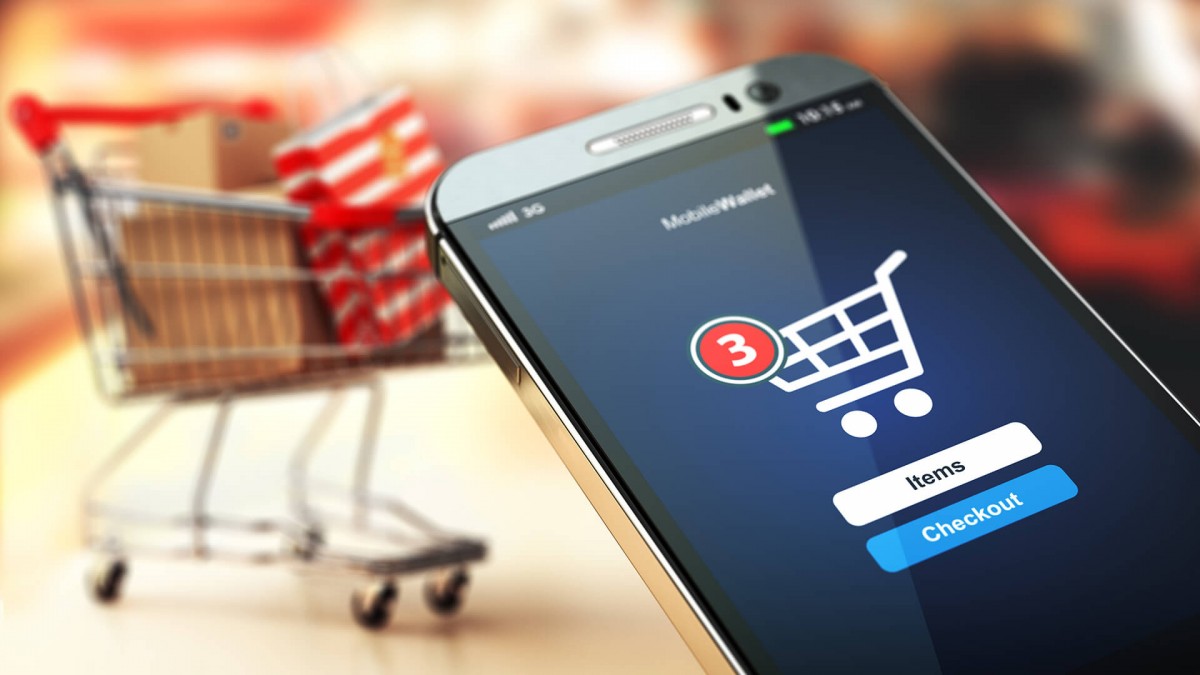
Introduction: Is Online Shopping Making You Spend More Money Than You Think?
Imagine this situation: You are relaxing at home, scrolling through your phone, when an advertisement catches your attention. A new pair of sneakers, an attractive electronic device, a stylish jacket, or a product you did not even know existed suddenly seems irresistible.
You click on the website, add the product to your shopping cart, enter your credit card information, and complete the purchase.
The entire process takes less than five minutes.
At first, the purchase seems harmless. After all, it costs only $35. However, a few days later, you buy another product for $49, then another for $27, and eventually a $120 item that was supposedly available at a special discount.
Suddenly, you realize that your credit card statement is much higher than expected.
Does this sound familiar?
Online shopping has transformed the way Americans purchase products. From Amazon and Walmart to fashion retailers, electronics stores, and independent e-commerce websites, consumers can buy almost anything without leaving home.
This convenience has undeniable advantages. It saves time, provides access to competitive prices, and makes product comparisons easier.
However, it also creates a serious financial problem: spending money has become so easy that many consumers no longer recognize how much they are actually spending.
The combination of digital advertising, personalized recommendations, one-click payments, buy now, pay later services, and credit cards can encourage impulsive purchasing and weaken financial discipline.
In this article, we will explore the biggest financial dangers of online shopping, how digital purchases affect household budgets, why consumers spend more than they originally intended, and how to enjoy e-commerce without damaging your financial future.
1. Why Is Online Shopping So Dangerous for Your Personal Finances?
Online shopping is not inherently bad. In fact, it can be an excellent way to compare prices, find discounts, and purchase products conveniently.
The danger comes from the psychological and technological mechanisms that make spending almost effortless.
Think about traditional shopping.
When you visit a physical store, you generally need to travel there, walk through the aisles, choose a product, wait in line, and physically pay for it.
Online shopping eliminates most of these steps.
Today, you can purchase a product while watching television, sitting at work during a break, or lying in bed before going to sleep.
This convenience reduces the time between wanting something and purchasing it.
Consequently, consumers may make financial decisions without carefully considering whether they actually need the product.
The Psychology Behind Impulsive Online Purchases
Digital retailers use different techniques to encourage consumers to complete purchases.
Some common examples include:
- Limited-time discounts.
- Countdown timers.
- Personalized product recommendations.
- Free shipping thresholds.
- Flash sales.
- Notifications about products left in shopping carts.
- Messages suggesting that an item is almost sold out.
- Personalized advertisements based on browsing behavior.
These techniques can create a sense of urgency.
For example, imagine seeing a message saying:
“Only 2 items left! Buy now before the offer disappears!”
You might feel pressured to purchase immediately, even if you had no intention of buying the product before seeing the advertisement.
The result is a decision driven by urgency rather than financial planning.
Important question:
How many times have you purchased something online simply because it was discounted?
A discount does not automatically represent a financial saving. If you spend $80 on something you did not need, you have still spent $80.
2. The Small Purchase Trap: How $10, $20, and $50 Transactions Become a Financial Problem
One of the biggest dangers of online shopping is the accumulation of small purchases.
Many consumers pay close attention to expensive purchases but underestimate the impact of smaller transactions.
For example, spending $15 on an accessory may seem insignificant.
However, what happens when you make similar purchases several times per week?
Consider this hypothetical monthly spending pattern:
| Online purchase | Monthly spending |
|---|---|
| Clothing and accessories | $120 |
| Electronics and gadgets | $80 |
| Beauty and personal care | $60 |
| Home products | $75 |
| Food and convenience purchases | $95 |
| Miscellaneous products | $70 |
| Total | $500 |
The consumer spends $500 per month on online purchases.
That represents $6,000 per year.
Now imagine that this money could instead be allocated toward an emergency fund, retirement savings, debt repayment, or long-term investments.
The problem is not necessarily one expensive purchase.
It is the accumulation of dozens of seemingly harmless decisions.
What Could $500 Per Month Become?
Imagine investing $500 every month for 20 years and earning an illustrative average annual return of 7%, compounded monthly.
<text weight=”semibold” size=”sm”>Potential long-term investment value</text>
| Investment period | Approximate balance |
|---|---|
| 5 years | $35,800 |
| 10 years | $86,500 |
| 15 years | $158,500 |
| 20 years | $260,500 |
<Chart content={{“chartType”:”line”,”meta”:{“title”:”The opportunity cost of $500 in monthly spending”,”description”:”Hypothetical investment growth at a constant 7% annual return, compounded monthly. Returns are not guaranteed.”},”xKey”:”year”,”series”:[{“dataKey”:”balance”,”label”:”Potential portfolio value”,”valuePrefix”:”$”,”valueFormat”:”compact”}],”data”:[{“year”:”0″,”balance”:0},{“year”:”5″,”balance”:42900},{“year”:”10″,”balance”:86500},{“year”:”15″,”balance”:158500},{“year”:”20″,”balance”:260500}]}}/>
The total contributions would be $120,000, with the remaining balance representing hypothetical investment growth.
Of course, actual investment returns fluctuate, and the example excludes taxes, fees, and inflation.
Nevertheless, it illustrates an important financial concept: every dollar spent impulsively represents money that cannot be used for another financial purpose.
3. Credit Cards: The Hidden Danger Behind Digital Purchases
Credit cards make online shopping incredibly convenient.
You can save your payment information, purchase products instantly, and receive your orders without interacting with a cashier.
However, this convenience can create a dangerous psychological separation between purchasing something and actually paying for it.
When consumers pay with cash, they immediately see their available money decrease.
With credit cards, the financial impact may not become obvious until the statement arrives.
This can encourage overspending.
Why Credit Cards Make Online Shopping More Expensive
Imagine purchasing:
- A $70 pair of sneakers.
- A $45 jacket.
- A $30 electronic accessory.
- A $90 household product.
- A $65 beauty product.
Your total spending is $300.
Individually, none of these purchases may seem particularly expensive.
However, if you repeat this behavior throughout the month, your credit card balance can grow quickly.
The situation becomes even more dangerous when you carry an unpaid balance and incur interest charges.
In the United States, credit card interest rates can be substantial. Carrying balances from month to month may make products significantly more expensive than their original purchase prices.
For example, a purchase that originally cost $500 could become much more expensive if it remains unpaid and accumulates interest over time.
Therefore, consumers should understand the difference between using a credit card as a payment method and using it as a source of expensive borrowing.
A practical rule: If you cannot comfortably afford a purchase using money already available in your budget, consider postponing it rather than relying on credit.
4. Buy Now, Pay Later: Is It Really a Smart Way to Shop?
Buy Now, Pay Later (BNPL) services have become increasingly popular in American e-commerce.
Platforms such as Affirm, Klarna, and Afterpay allow eligible consumers to divide purchases into installments, sometimes with no interest if payments are made according to the agreement.
At first glance, this sounds attractive.
Instead of paying $200 immediately, you may be able to divide the purchase into four payments of $50.
However, there is an important problem.
When every purchase is divided into installments, consumers can lose track of how much money they have already committed to paying in the future.
Imagine purchasing:
| Product | Installment |
|---|---|
| Sneakers | $25 |
| Jacket | $30 |
| Headphones | $35 |
| Home accessories | $20 |
| Electronic device | $50 |
| Total monthly installments | $160 |
The consumer now has $160 in additional monthly payment obligations.
And this is only one example.
If several purchases overlap, the total amount due can become surprisingly large.
The Biggest BNPL Risks
- Forgetting upcoming payment dates.
- Accumulating several installment agreements.
- Spending more because the initial payment looks affordable.
- Paying late fees where applicable.
- Facing collection activity or potential credit consequences, depending on the product and reporting practices.
- Losing control of the monthly budget.
Before using a BNPL service, read the payment terms carefully and calculate the total amount owed across all active purchases.
A product does not become affordable simply because its price is divided into smaller payments.
5. How Social Media Encourages Americans to Spend More Online
Social media has transformed advertising.
Platforms such as Instagram, TikTok, Facebook, and YouTube allow brands to promote products directly to consumers through sponsored content, creators, recommendations, and personalized advertisements.
The problem is that advertising no longer looks like traditional advertising all the time.
Sometimes, it appears as a recommendation from someone you follow.
An influencer may show a new smartphone, luxury handbag, skincare product, fitness accessory, or fashionable outfit.
The presentation can make the product seem essential to achieving a certain lifestyle.
The Lifestyle Comparison Trap
Imagine scrolling through Instagram and seeing someone constantly purchasing new clothes, traveling internationally, visiting expensive restaurants, and showing luxury products.
You may begin to feel that your own lifestyle is inadequate.
This can create pressure to purchase things simply to keep up with other people.
However, social media rarely shows the complete financial reality behind these lifestyles.
You do not necessarily know:
- How much the person earns.
- Whether the products were gifted.
- Whether purchases were financed.
- Whether the person has significant debt.
- Whether the lifestyle is sustainable.
- Whether the content represents reality or marketing.
Comparing your financial situation with someone else’s online image can lead to unnecessary spending and financial frustration.
The best financial decision is not the one that makes your lifestyle look impressive on social media.
It is the one that supports your actual goals.
6. Subscription Services: The Online Expenses You May Have Forgotten
Not every online financial danger involves purchasing physical products.
Digital subscriptions can also consume a significant portion of household income.
Consider the number of services many Americans use:
- Netflix.
- Disney+.
- Spotify.
- Amazon Prime.
- Cloud storage.
- Gaming subscriptions.
- Online fitness platforms.
- Software subscriptions.
- Premium mobile applications.
- Digital news services.
Individually, these services may appear inexpensive.
However, their combined cost can become substantial.
Example: How Much Are Your Subscriptions Really Costing You?
| Subscription | Illustrative monthly cost |
|---|---|
| Streaming service A | $18 |
| Streaming service B | $14 |
| Music platform | $12 |
| Cloud storage | $10 |
| Gaming service | $17 |
| Fitness application | $15 |
| Other digital services | $24 |
| Total | $110 |
This represents $1,320 per year.
The important question is not whether subscriptions are bad.
It is whether you are paying for services you actually use.
A practical financial habit is reviewing recurring payments every month and canceling subscriptions that no longer provide sufficient value.
7. Free Shipping and Discounts: Are You Really Saving Money?
One of the most effective ways online retailers encourage spending is by offering free shipping above a minimum purchase amount.
For example:
“Free shipping on orders over $75.”
Imagine that you originally intended to purchase a $50 product.
However, the website offers free shipping if you spend another $25.
You add an unnecessary accessory to your shopping cart.
Now you have spent $75 instead of $50.
Did you actually save money?
Not necessarily.
You spent an additional $25 to avoid a shipping fee that may have been much smaller.
The same logic applies to discounts.
A product advertised at 40% off is not automatically a good purchase.
The correct financial question is:
Would you still buy this product if it were not discounted?
If the answer is no, the discount may simply be encouraging unnecessary consumption.
8. Fake Online Stores, Scams, and Financial Fraud
Online shopping creates opportunities for criminals as well as legitimate businesses.
Fraudulent websites may imitate well-known retailers, advertise unrealistic discounts, or collect payment information without delivering the promised products.
Some scams involve counterfeit goods, fake customer service accounts, fraudulent tracking information, or phishing messages designed to steal personal information.
Warning Signs of a Potentially Fraudulent Online Store
Pay attention to the following situations:
1. Prices that seem impossibly low.
A luxury product advertised at a tiny fraction of its normal price should raise questions.
2. Missing company information.
Legitimate retailers generally provide identifiable business information, customer service details, and clear policies.
3. Suspicious payment requests.
Be especially careful when an unfamiliar seller requests unusual payment methods or direct transfers without meaningful buyer protection.
4. Poor website security and suspicious links.
A secure connection does not automatically prove that a website is legitimate, so verify the domain and retailer independently.
5. Aggressive purchasing pressure.
Messages claiming that you have only seconds to buy something may be designed to prevent you from evaluating the offer.
How to Protect Your Financial Information
- Shop through verified websites and official applications.
- Use strong and unique passwords.
- Enable multifactor authentication.
- Monitor credit card transactions.
- Avoid making purchases through suspicious links.
- Use payment methods that offer appropriate consumer protections.
- Never share banking passwords or verification codes.
- Review account statements regularly.
In the United States, consumers can also use resources such as the Federal Trade Commission (FTC) and the Consumer Financial Protection Bureau (CFPB) to learn about scams and financial protection.
9. The Environmental and Financial Cost of Impulsive Returns
Another overlooked aspect of online shopping is product returns.
Many retailers offer convenient return policies, which can make consumers more comfortable ordering multiple products.
For example, someone might order three different jackets with the intention of keeping only one.
Although this may seem convenient, returns can involve additional costs, time, shipping restrictions, and potential fees depending on the retailer.
Some consumers also forget to return products within the eligible period.
As a result, they may end up paying for products they never intended to keep.
A better strategy is to research products before purchasing them.
Check:
- Product dimensions.
- Material quality.
- Customer reviews.
- Return policies.
- Shipping costs.
- Warranty conditions.
- Total purchase price.
A few minutes of research can prevent unnecessary financial losses.
10. How Online Shopping Can Destroy Your Ability to Save and Invest
One of the most serious consequences of uncontrolled online shopping is its effect on long-term financial goals.
Imagine someone who earns $4,500 per month after taxes.
They pay their essential expenses, cover their credit card bills, and use the remaining money for shopping, entertainment, and convenience purchases.
At the end of the month, almost nothing remains.
The person wants to invest but believes they cannot afford to do so.
However, after reviewing their transactions, they discover that they spend $350 per month on unnecessary online purchases.
That amount could be redirected toward:
- An emergency fund.
- Retirement savings.
- A Roth IRA, if eligible.
- A diversified investment portfolio.
- Debt repayment.
- A future home purchase.
- Education and professional development.
The real issue may not be insufficient income.
It may be the absence of a spending strategy.
What Happens If You Redirect $350 Per Month?
Suppose you invest $350 monthly for 20 years with an illustrative average annual return of 7%, compounded monthly.
The potential portfolio value would be approximately $182,000.
The total amount contributed would be $84,000, with the remainder representing hypothetical investment growth.
Actual investment performance is uncertain, and returns are not guaranteed.
Nevertheless, this demonstrates the opportunity cost of allowing small purchases to consume money that could support long-term financial goals.
11. Seven Signs That Online Shopping Is Becoming a Financial Problem
How do you know whether your online shopping habits are getting out of control?
Consider these warning signs.
1. You frequently purchase products you did not plan to buy.
You open an online store to look around and end up completing several purchases.
2. You hide purchases from family members or partners.
You feel uncomfortable discussing how much money you spend online.
3. Your credit card statements are consistently higher than expected.
You cannot easily explain where your money went.
4. You regularly use installment payments for nonessential products.
You have several active payment agreements for items that were not financially necessary.
5. You buy products simply because they are discounted.
You confuse getting a lower price with making a good financial decision.
6. You postpone investments because there is no money left.
You repeatedly intend to save or invest but spend the available money before doing so.
7. You experience regret after making purchases.
You feel excited when ordering products but later question why you bought them.
If several of these behaviors sound familiar, it may be time to review your spending habits.
12. How to Control Online Shopping Without Giving Up Its Convenience
You do not need to stop shopping online completely.
Instead, you can establish simple rules that protect your finances while allowing you to enjoy the advantages of e-commerce.
Rule 1: Wait 24 Hours Before Making Nonessential Purchases
If you see something you want, add it to your shopping list and wait at least 24 hours.
For expensive purchases, consider waiting several days.
This gives you time to evaluate whether the product is genuinely useful or simply attractive in the moment.
Rule 2: Establish a Monthly Online Shopping Budget
Decide how much money you can comfortably spend on nonessential online purchases.
For example, you might allocate $150 per month.
Once you reach that limit, postpone additional purchases until the next budgeting period.
Rule 3: Remove Saved Credit Card Information
Removing stored payment details can introduce an additional step into the purchasing process.
That extra effort may encourage you to reconsider impulsive transactions.
Rule 4: Unsubscribe From Promotional Emails
Retailers frequently use email marketing to encourage repeat purchases.
If promotional messages constantly tempt you to spend money, unsubscribe from unnecessary mailing lists.
Rule 5: Compare Prices Before Purchasing
Use price comparison websites and check the product’s historical pricing when possible.
An advertised discount does not necessarily represent the lowest available price.
Rule 6: Separate Shopping Money From Investment Money
Allocate your investment contributions before deciding how much remains available for discretionary purchases.
This helps protect your long-term goals.
Rule 7: Review Your Transactions Every Week
Do not wait until your credit card statement arrives.
Check your spending regularly so you can identify unnecessary purchases before they become a larger financial problem.
13. The 30-Day Online Shopping Challenge: Can You Take Control of Your Money?
Here is an interesting challenge for anyone who wants to improve their financial habits.
For the next 30 days, follow these rules:
Week 1: Understand Your Spending
Review your previous month’s transactions and calculate how much you spent online.
Identify your three largest categories of online purchases.
Week 2: Eliminate Impulsive Purchases
Do not purchase nonessential products immediately.
Apply the 24-hour rule and record everything you considered buying.
Week 3: Review Your Subscriptions
Identify recurring payments and cancel services you no longer use.
Check whether any subscriptions have increased in price.
Week 4: Redirect the Money
Calculate how much you avoided spending and decide where that money should go.
You could use it to reduce credit card debt, build emergency savings, or increase investment contributions.
At the end of the challenge, compare your results with your previous spending habits.
You may discover that you can improve your financial situation without dramatically changing your lifestyle.
14. Interactive Financial Quiz: Are You an Intelligent Online Shopper?
Let’s test your knowledge of online shopping and personal finance.
Question 1: You see a $100 product advertised with a 50% discount. What is the smartest financial decision?
A. Buy it immediately because the discount is excellent.
B. Purchase two because the discount is temporary.
C. Evaluate whether you actually need the product and compare its price.
D. Use a credit card and worry about the payment later.
Correct answer: C. A discount only represents a saving when the purchase makes financial sense.
Question 2: Why can small online purchases become dangerous?
A. They always have high interest rates.
B. They can accumulate and consume a significant portion of monthly income.
C. They automatically reduce your credit score.
D. They are always unnecessary.
Correct answer: B. Several small transactions can create substantial monthly expenses.
Question 3: What is one of the biggest risks of Buy Now, Pay Later services?
A. They never allow installment payments.
B. They automatically eliminate your debt.
C. Multiple payment obligations can become difficult to manage.
D. They always charge the same interest rate as credit cards.
Correct answer: C. Multiple installment agreements can make it difficult to track future financial commitments.
Question 4: You have $200 available for discretionary spending. Should you spend all of it simply because it is available?
A. Yes, otherwise the money is wasted.
B. No, you should evaluate your financial priorities and upcoming expenses.
C. Yes, if the products are discounted.
D. Only if you use a credit card.
Correct answer: B. Available money does not automatically need to be spent.
Question 5: What is the best way to avoid impulsive purchases?
A. Buy products before discounts disappear.
B. Avoid checking your credit card statement.
C. Create a shopping budget and wait before completing nonessential purchases.
D. Divide every purchase into installments.
Correct answer: C. Planning and delaying purchases can improve financial discipline.
Question 6: What should you do if you notice an unfamiliar transaction on your credit card?
A. Ignore it until the next statement.
B. Contact the card issuer immediately through an official channel.
C. Post your card information on social media.
D. Wait several months.
Correct answer: B. Promptly contacting the issuer can help investigate and address potentially unauthorized transactions.
15. Frequently Asked Questions About Online Shopping and Personal Finance
Is online shopping worse for your finances than shopping in physical stores?
Not necessarily. Both can create financial problems when spending is uncontrolled.
However, online shopping may make impulsive purchases easier because transactions are fast, convenient, and frequently encouraged by personalized advertising.
Can online shopping affect my credit score?
Simply shopping online does not directly reduce your credit score.
However, excessive credit card borrowing, high reported balances, missed payments, and other credit-related behaviors can affect your credit profile.
The impact depends on the credit scoring model and the information reported by creditors.
Is it dangerous to save my credit card information on shopping websites?
Saving payment information can make purchasing more convenient, but it also creates additional security considerations.
Use reputable retailers, strong passwords, multifactor authentication where available, and monitor your financial accounts regularly.
Are Buy Now, Pay Later services bad?
Not necessarily.
Some BNPL services offer installment payments with no interest when the agreement is followed. However, late fees, overlapping obligations, and overspending can create financial difficulties.
Always understand the terms before accepting a payment plan.
How much should I spend on online shopping every month?
There is no universal percentage.
Your budget should reflect your income, essential expenses, debt obligations, savings goals, and personal priorities.
The most important thing is ensuring that discretionary purchases do not interfere with your financial stability.
Should I stop shopping online to save money?
Not necessarily.
Online shopping can be useful when you compare prices, purchase necessary products, and avoid unnecessary expenses.
The goal is not to eliminate convenience. It is to prevent convenience from becoming a reason to spend beyond your means.
16. Final Thoughts: The Real Price of Online Shopping Is Not Always the Price on the Screen
Online shopping has made modern life more convenient.
You can compare products, discover new brands, purchase household necessities, and receive deliveries without leaving your home.
However, this convenience comes with a financial responsibility.
When purchases become too easy, spending can become less intentional. Small transactions accumulate, installment payments create future obligations, subscriptions remain forgotten, and credit card balances increase.
Over time, these habits can prevent consumers from building emergency savings, reducing debt, and investing for the future.
The solution is not to reject technology or stop enjoying online shopping.
It is to develop greater awareness of how digital platforms influence purchasing decisions.
Before completing your next purchase, ask yourself three questions:
Do I really need this product?
Can I comfortably afford it without compromising my financial goals?
Would I still buy it if there were no discount, advertisement, or limited-time offer?
These simple questions can help you make better financial decisions.
Remember: Every purchase represents a choice about how to use your money.
You can spend $50 on something you may forget about next month, or you can direct that same amount toward savings, debt repayment, or an investment that supports your future.
Ultimately, financial freedom does not mean never buying anything.
It means having enough control over your money to decide what deserves your spending.
The greatest danger of online shopping is not the ability to buy almost anything with a single click. It is forgetting that every click has a financial consequence.