
Consumer Guide
How to Get Free Samples Online: A Simple Guide to Finding Product Samples
Free samples can be a practical way to discover new products before deciding whether they are right for you. From beauty and personal care items to snacks, household products and pet essentials, brands may use sampling programs to introduce products to potential customers.
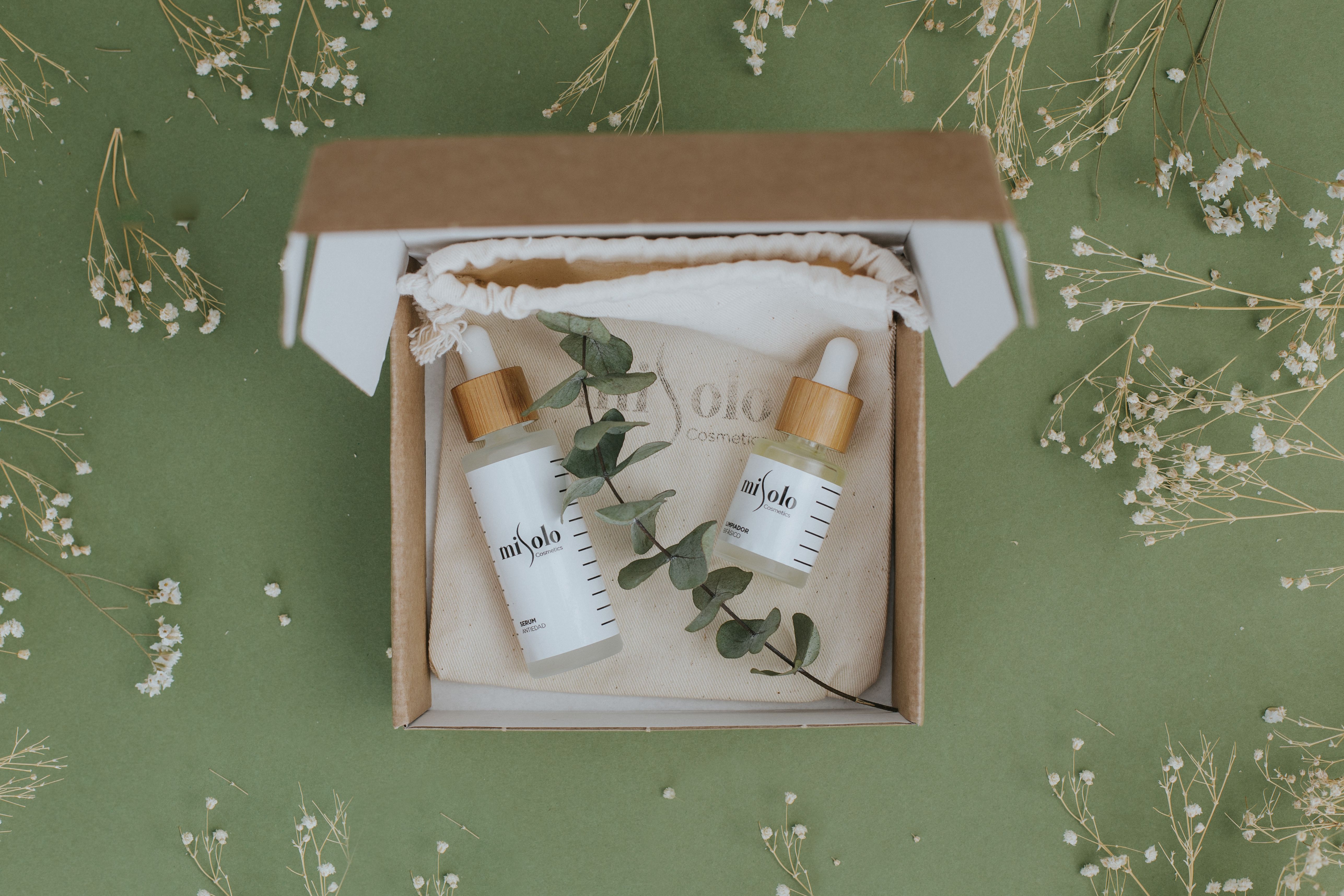
The idea behind product sampling is simple: a company provides a smaller version, promotional quantity or trial-size product so consumers can experience it before making a future purchase decision.
However, finding legitimate sample opportunities takes a little patience. Availability can change, quantities may be limited, and some programs use eligibility questions to determine who receives a particular product.
That means receiving a sample is generally not guaranteed. Understanding how these programs work can make the process easier and help you avoid confusing a genuine product sample with a subscription, paid trial or misleading promotion.
What Exactly Is a Free Sample?
A free sample is usually a promotional product distributed by a brand, retailer, research company or sampling platform. Companies may provide samples to introduce a new product, build awareness, collect consumer opinions or encourage people to try something they have not purchased before.
Sample sizes and formats can vary. Depending on the promotion, consumers might encounter:
- Beauty and skincare samples
- Makeup and personal care products
- Snack and food samples
- Household and cleaning products
- Pet care products
- Small promotional packages
- Trial-size versions of full-size products
- Coupons accompanying product samples
Every promotion can have different rules. Some may be available nationwide, while others are restricted by location, age, household profile or inventory.
Why Do Companies Give Away Product Samples?
Giving consumers a chance to experience a product can be a useful marketing strategy. Instead of relying only on advertisements, brands can put products directly into the hands of potential customers.
Sampling campaigns may help companies:
- Introduce a new product
- Reach a specific group of consumers
- Generate awareness around a new launch
- Collect product feedback
- Encourage future purchases
- Learn which types of consumers are interested in a product
This is also why some sampling programs ask participants to answer a few questions before determining whether a particular sample is available to them.
7 Ways to Find Free Sample Opportunities
1. Follow Brands You Already Like
Start with companies whose products you already use. Brands sometimes announce promotions through their websites, email newsletters or social media accounts.
Joining a company's official mailing list can also make it easier to hear about new launches, promotional campaigns and occasional sampling opportunities.
2. Look for Product Testing Programs
Some companies and research platforms operate product-testing communities. Participants create a profile and may be matched with products based on factors such as interests, household information or shopping habits.
In some programs, participants are asked to provide honest feedback after trying the product.
3. Check Retailer Promotions
Retailers may occasionally distribute samples online or in stores, particularly during product launches, seasonal promotions and special events.
Beauty, personal care, grocery and household-product retailers are common places to watch for sampling campaigns.
4. Follow Official Social Media Accounts
Brands frequently use Facebook, Instagram and other platforms to introduce products and announce promotional campaigns.
When you find an offer on social media, confirm that the page or website actually belongs to the company before providing personal information.
5. Use Sample Discovery Guides
Instead of checking many individual websites, consumers may use sample guides and promotional directories to learn about different types of opportunities.
These resources can make discovering promotions easier, but you should still review the details of each individual offer before participating.
Want to Learn More About Sample Opportunities?
Visit our Free Samples Guide to explore additional information about finding and requesting promotional samples.
Explore the Free Samples GuideAvailability, eligibility and participation requirements may vary by offer.
6. Complete Your Profile Accurately
Product-testing platforms often use profile information to match participants with relevant campaigns.
Providing accurate information is important. For example, a pet-food sample might only be relevant to households that have pets, while another product may be intended for consumers within a certain geographic area.
7. Check Opportunities Regularly
Sampling campaigns can change frequently. One offer may be available today and unavailable later because a campaign has ended or the allocated inventory has been distributed.
Checking periodically can be more effective than assuming that the same offers will always remain available.
A Simple Step-by-Step Approach
If you are new to product sampling, the following process can help keep things organized.
Step 1: Create a Dedicated Email Address
Consider using an email address specifically for promotions, product testing and brand newsletters. This can help keep promotional messages separate from personal or work email.
Step 2: Read the Offer Details
Before submitting information, check what the promotion actually includes. Look for eligibility requirements, geographic restrictions, shipping information and any other conditions.
Step 3: Confirm Who Is Running the Promotion
Look for recognizable company information, a privacy policy, terms of use and clear contact details.
Step 4: Complete Required Information Honestly
Some programs use questionnaires to identify suitable participants. Answer accurately rather than trying to guess which answers might qualify for a particular campaign.
Step 5: Keep Track of Requests
If you request samples from several programs, keeping a simple list can help you remember which websites you used and approximately when you submitted each request.
Step 6: Provide Feedback When Requested
If a legitimate product-testing program asks for feedback, completing it can help the company understand how consumers responded to the product.
Free Sample vs. Free Trial: Know the Difference
One of the most important distinctions to understand is the difference between a product sample and a free trial.
| Free Sample | Free Trial |
|---|---|
| Usually a promotional quantity or trial-size product. | Usually temporary access to a product, service or subscription. |
| May not require an ongoing commitment. | May convert into a paid subscription after the trial period. |
| Availability and eligibility may vary. | Cancellation rules and billing terms should be reviewed carefully. |
The U.S. Federal Trade Commission recommends carefully reviewing the terms of free trials and automatic-renewal offers because some promotions may begin charging after a trial period unless they are canceled.
You can read the FTC's consumer guidance here: FTC Consumer Advice on Free Trials and Auto-Renewals .
How to Evaluate a Sample Offer Before Signing Up
A little caution can help you avoid unnecessary problems. Before participating, look for signs that the offer is transparent.
Good Signs to Look For
- The website clearly explains what is being offered.
- Eligibility requirements are easy to find.
- The company provides a privacy policy.
- Terms and conditions are accessible.
- Contact or company information is available.
- Any costs or obligations are disclosed before registration.
- The website explains how personal information may be used.
Reasons to Take a Closer Look
- Unexpected payment requests
- Unclear recurring subscription terms
- Requests for unusually sensitive personal information
- Websites with no privacy policy or contact information
- Promises that appear unrealistic
- Pressure to make an immediate financial decision
- Terms that are difficult to locate or understand
If something seems unclear, take time to research the company before continuing.
Protect Your Personal Information
Sample programs may need basic information such as your name, email address and mailing address in order to process a request.
However, that does not mean every request for information is appropriate.
Before entering personal details:
- Check that you are on the correct website.
- Look for HTTPS in the website address.
- Review the privacy policy.
- Understand what communications you are agreeing to receive.
- Avoid sharing information that is unrelated to the promotion.
- Use unique passwords if an account is required.
Set Realistic Expectations
Product sampling can be enjoyable, but it should not be viewed as a guaranteed source of free household goods.
A sampling campaign may receive more requests than the number of products available. Brands may also choose participants based on specific campaign criteria.
For that reason:
- Not every request will result in a sample.
- Delivery times may vary.
- Offers may end without notice.
- Some promotions may only be available in selected areas.
- Different offers can have different participation requirements.
Treat sample hunting as a way to discover occasional promotions rather than something that is guaranteed.
Frequently Asked Questions About Free Samples
Are free samples really available online?
Brands and promotional programs can distribute product samples online, but availability depends on the individual campaign. Always review the specific offer before participating.
Does everyone qualify for every sample?
No. Some campaigns have eligibility requirements or are designed for a specific group of consumers. Inventory can also be limited.
How long does a sample take to arrive?
There is no universal delivery time. Shipping depends on the company, campaign and location.
Do I have to review the product?
It depends on the program. Product-testing communities may request feedback, while other promotional samples may not require a review.
Is a free sample the same as a free trial?
Not necessarily. A free trial may become a paid subscription or involve additional terms after the trial period. Always review billing and cancellation conditions before signing up for a trial.
Should I provide payment information?
Read the terms before providing payment information. If an offer is described as completely free but unexpectedly requests payment details, check carefully whether it is actually a sample, a paid shipping offer or a subscription-based trial.
Final Thoughts
Free samples can be a fun way to discover products, but the best approach is to remain organized and informed.
Follow brands you trust, check promotional opportunities regularly, read the terms of every offer and pay attention to how your personal information will be used.
Most importantly, remember that availability and eligibility can vary. A transparent offer should make its requirements clear before you participate.
Ready to Explore Free Sample Opportunities?
Visit our Free Samples Guide for additional information about discovering promotional sample opportunities.
Visit the Free Samples GuideSample availability, eligibility, quantities, shipping terms and participation requirements may vary. Requesting or registering for an offer does not guarantee that a product will be received.